Repiping Old Pipes in Wavell Heights
Repiping Wavell Heights homes means trading a worn-out supply run for new pipe, either the whole house or section by section. Our licensed plumbers handle that work across Wavell Heights and the streets nearby. You get the price fixed and in writing before we start.
If we're late, $100 comes off your bill

- Licensed and InsuredEvery job done by a licensed plumber. QBCC No: 15024607
- Fixed Quote FirstFlat-rate pricing, agreed before any work starts
- Lifetime Labour WarrantyBacked by our Fix-It-or-It's-Free guarantee (T&Cs apply)
- $0 Call-Out FeesNo extra charge for nights, weekends or public holidays
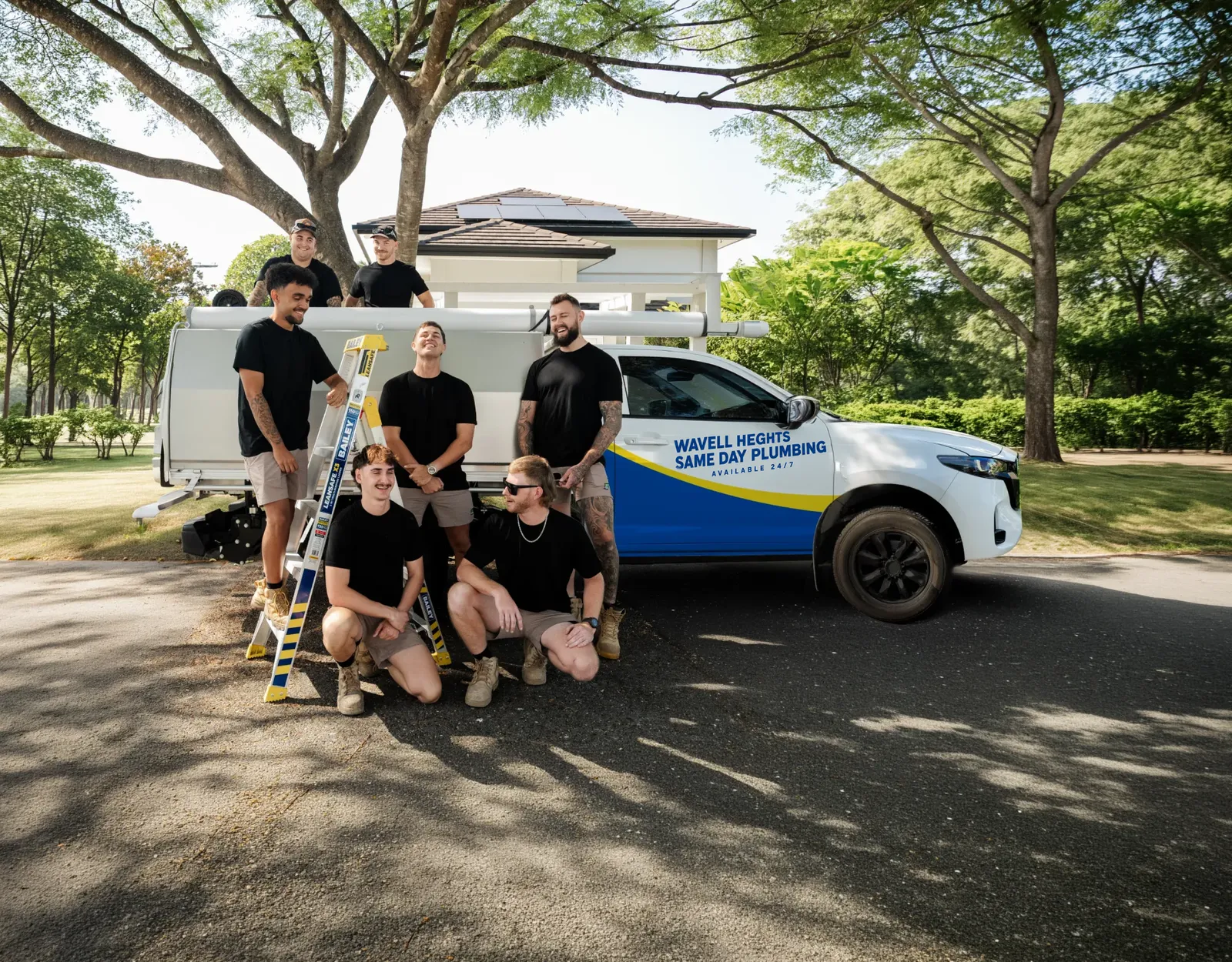
The 1920s subdivision near Sandgate Road was almost fully built before 1940, and houses never renovated there still run their original galvanised supply. Taps flow weakly, and water drawn first thing in the morning can run rusty. Old galvanised and early copper services tend to fail at their joints, and a damp patch appearing on the lawn is often the first clue.
A single leaking joint is a water pipe repairs job. A run that keeps failing is the question this page answers, with burst pipe repairs for the day something splits and leak detection when you cannot tell where the water is going.
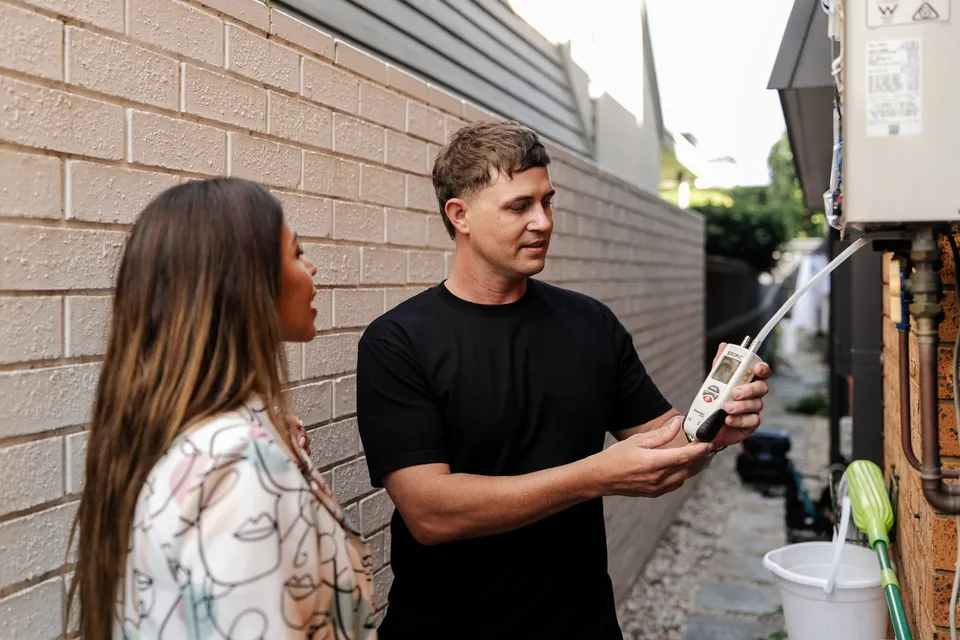
Galvanised and Early Copper Pipes in Older Homes
Repair suits a pipe that is still sound with a single one-off leak; replacement suits a run where leaks recur, the water runs rust-coloured, or flow drops at many taps at once. Two legacy pipe types explain those signs: galvanised steel, and copper assembled with lead-based solder.
Galvanised pipe is steel with a zinc coating, and that coating corrodes from the inside over the years. The corrosion causes leaks, discoloured water and a narrowing bore, which is why an old galvanised line feeds the bathroom taps at a dribble. For other causes of weak flow, see our page on low water pressure.
Early copper brings its own question of age and condition. Lead-based solder on brass fittings and copper pipework was common across Australia until 1989, so homes plumbed before then carry joints worth weighing up once a replacement is on the table.
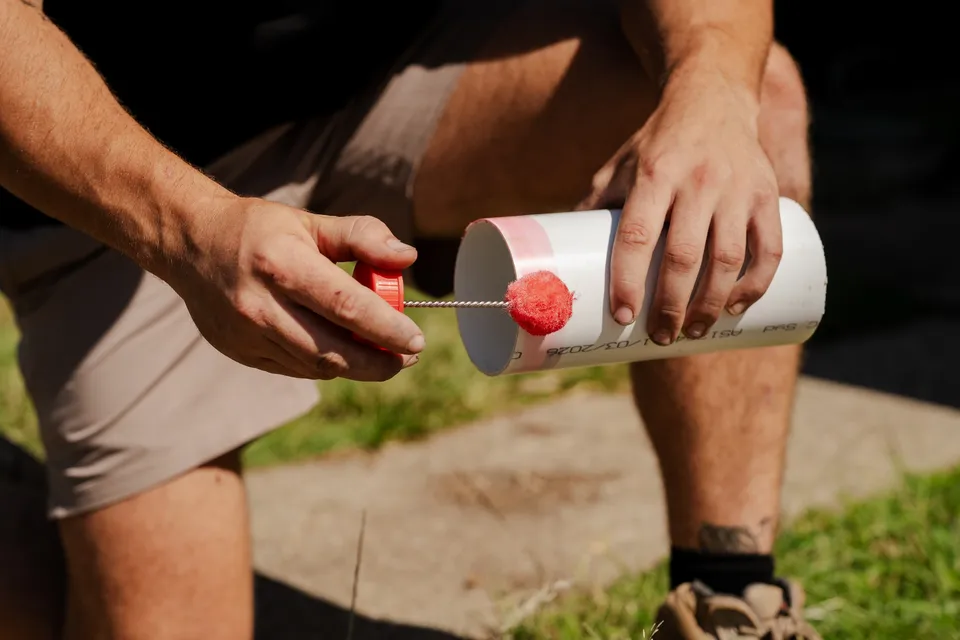
Pipe Materials a Repipe Can Use
The usual choices are copper or PEX (cross-linked polyethylene), and the plumber chooses by where the pipe runs. Everything installed must be a product approved for plumbing use under the Act.
Copper
a rigid metal line, joined with fittings, and suited to runs through exposed or accessible space.
PEX (cross-linked polyethylene)
a flexible plastic that bends around framing, so it suits runs with many direction changes.
Galvanised steel
no longer used for new supply pipework.
What to Expect While Pipes Are Replaced
- 1

Inspect the existing pipes
The plumber assesses each line and decides what stays and what goes. A house that has had partial upgrades may only need one section renewed.
- 2

Open access
Access is opened in wall cavities, under floors or beneath the house. In a 1950s house off Warraba Avenue, cavities run tight and the subfloor can be shallow, so the plan accounts for access before any pipe is ordered.
- 3
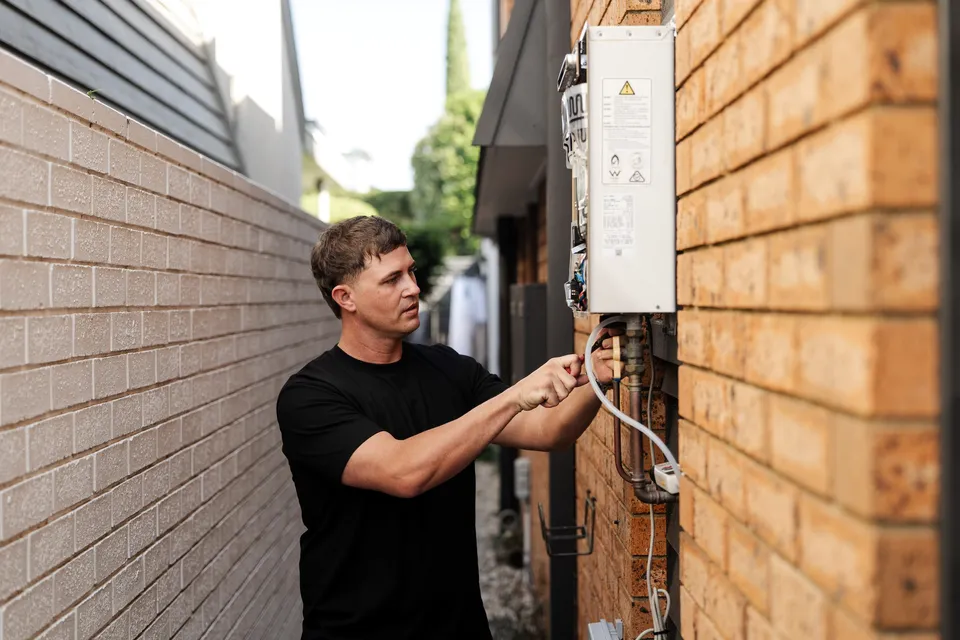
Build the new run
The new pipe is routed next to the old one, so your supply stays on for much of the job. Nothing gets cut over until the fresh line is complete.
- 4

Connect and test
Water is shut off while the plumber ties the new line in. The finished pipework is then tested for leaks before the job closes out.
Plumbing job in Wavell Heights?
$0 call-out fees, available 24/7, and same-day where we can.
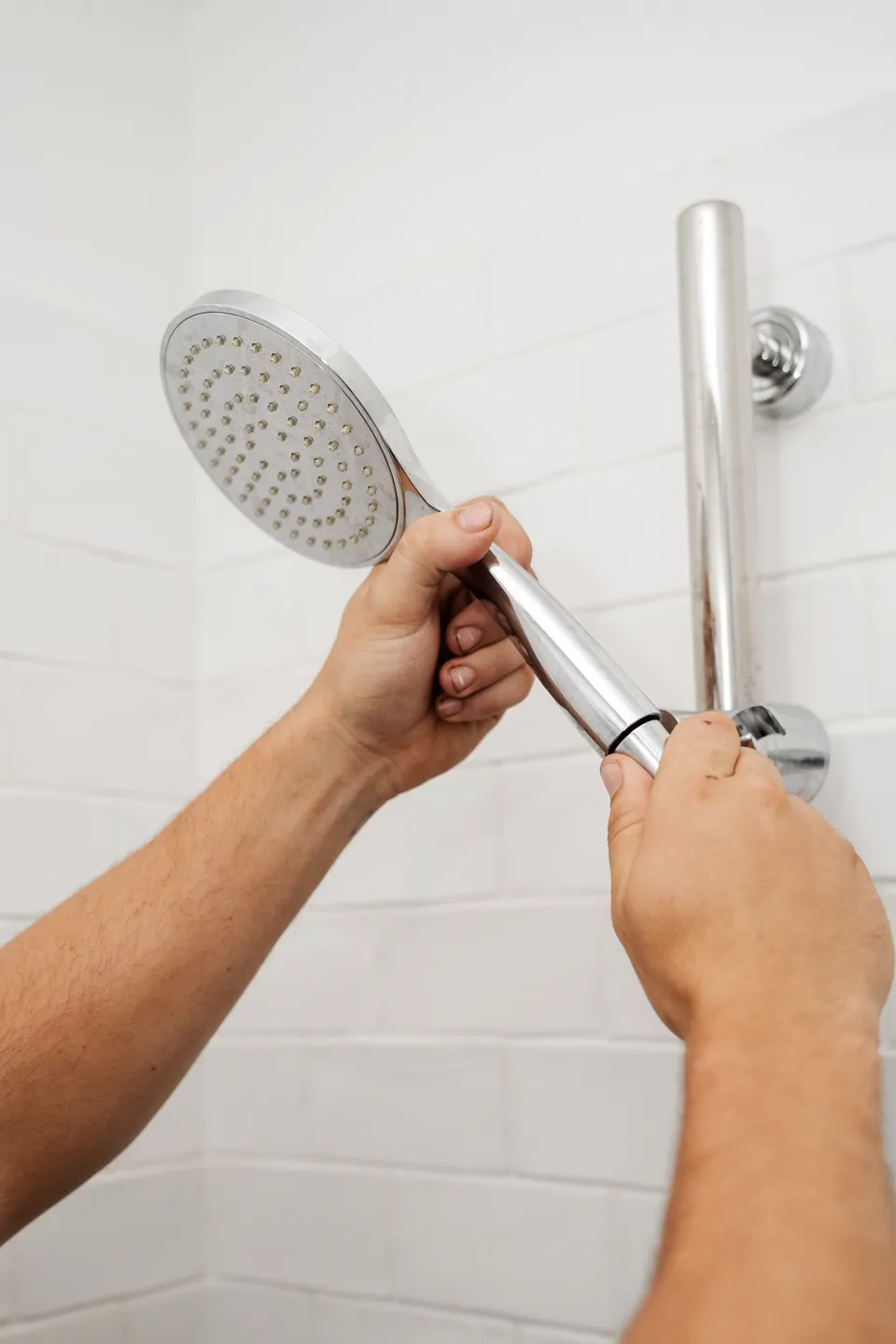
Form 4, Council Permits and Inspections
No council permit applies: renewing the supply lines inside an existing home is classed as notifiable work. A licensed plumber carries out the job, lodges a Form 4 with the QBCC within 10 business days of completion, and you receive your own copy. Plumbing for a newly built home is permit work instead, which is a different category.
Renovation rather than demolition is the pattern in Wavell Heights: area-level approvals counted 62 new dwellings in 2021-22, so most repipes happen inside homes that already stand. Owners hold several rights once the job is done:
- Request a Form 4 copy from the QBCC if yours never arrives.
- The QBCC's online registers show licence status and notifiable work registered to an address.
- Council may send an inspector, with your consent, for a year after the QBCC receives the completion notice, to check the work meets the code.
- You can contact council at any point during the job and request an inspection.
- Complaints about faulty work, work done without a licence, or a Form 4 that never turns up go to the QBCC.
One boundary is worth knowing. In the Regulation, a supply pipe serves the premises, and the connection point is the handover from Urban Utilities' network. Everything on your side of that point is the repipe; the network side belongs to the utility.
How Our Repipe Visits Run
- 1

Call or message us
Ring (07) 3524 7163 or use the form and describe what's going on in Wavell Heights. A few details up front mean the right gear comes on the first trip.
- 2
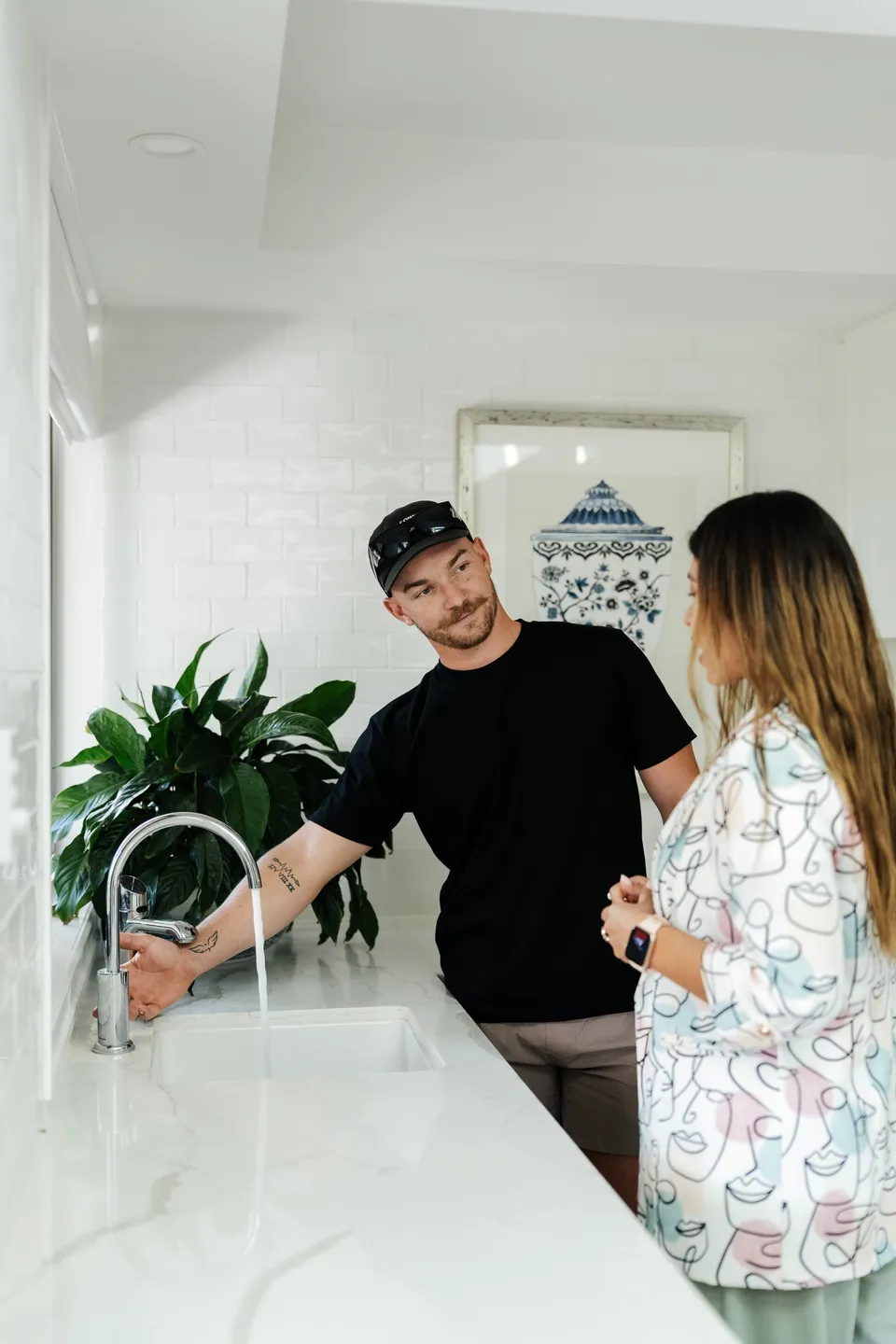
On site, we trace and scope
We start at the meter and follow the supply line through the house, noting the old pipe's material, its joints and the flow at each fixture. The written scope then names full replacement or staged sections, plus the material proposed.
- 3
Fixed quote, then the work
We give you a fixed quote before any work starts. It's flat-rate pricing with no hidden fees, and we only start once you approve it.
- 4
Settle up your way
Card and EFTPOS payment on site when the job's finished, or Fix now, pay later if that suits you better.
Repiping Questions From Wavell Heights Homes
Call (07) 3524 7163Is repiping worth it for an older Wavell Heights home?
Yes, when the signs point to a worn-out run rather than one bad joint. Leaks recurring along the same line, rust-coloured water, or poor flow at many taps together usually mean the pipe itself is failing. One isolated leak in an otherwise healthy pipe is still worth repairing.
Does repiping a house need a permit in Queensland?
No, a council permit is not needed for an existing home. Swapping the water supply lines is notifiable work, so a licensed plumber handles it and notifies the QBCC by Form 4 within 10 business days, and you receive a copy. Unit owners should confirm the category with the plumber.
What materials replace old galvanised pipes?
Copper and PEX are the usual choices; PEX, a flexible plastic, is the short name for cross-linked polyethylene. The choice depends on where the pipe runs. Every product fitted has to carry approval for use in plumbing, and galvanised steel is no longer put into supply lines.
How long does repiping take in Wavell Heights?
The scope sets the time, and a fixed quote confirms it first. Drivers include the size of the home, the number of fixtures to be reconnected, the length of pipe, access through wall cavities or under floors, and whether the work runs in stages.
Will I have water while my house is repiped?
Yes, while the new pipe goes in. The fresh run is built alongside the existing one, so your supply stays on during that stage. The supply is off only while the final joins are made, and the new pipework is then leak-tested.

Call Us About RepipingWe'll call you back.
Phone (07) 3524 7163 for a licensed plumber in Wavell Heights. We work under QBCC No: 15024607, with flat-rate pricing, no hidden fees and same-day where we can.
To claim your $0 call-out fee, call (07) 3524 7163 today.